


The Unsung Heroes: How Language Professionals Transform Healthcare Access
Translators in healthcare are the critical, yet often invisible, professionals who ensure patients with limited English proficiency receive safe, effective, and equitable care. They serve as essential communication bridges between medical providers and patients who speak different languages.
Quick Answer: What You Need to Know About Language Professionals in Healthcare
- Medical Interpreters handle spoken language in real-time during patient encounters.
- Medical Translators work with written documents like consent forms and discharge instructions.
- Professional language services are legally required under Title VI of the Civil Rights Act and are proven to reduce medical errors and improve patient outcomes.
- Ad hoc interpreters (family or untrained staff) significantly increase the risk of clinical errors.
- Certified professionals have specialized medical terminology knowledge, cultural competency, and ethical training.
Imagine needing to learn how to use a parachute from an instructor who speaks a different language. You’d want clear instructions in a language you understand. This is the high-stakes reality for patients with limited English proficiency.
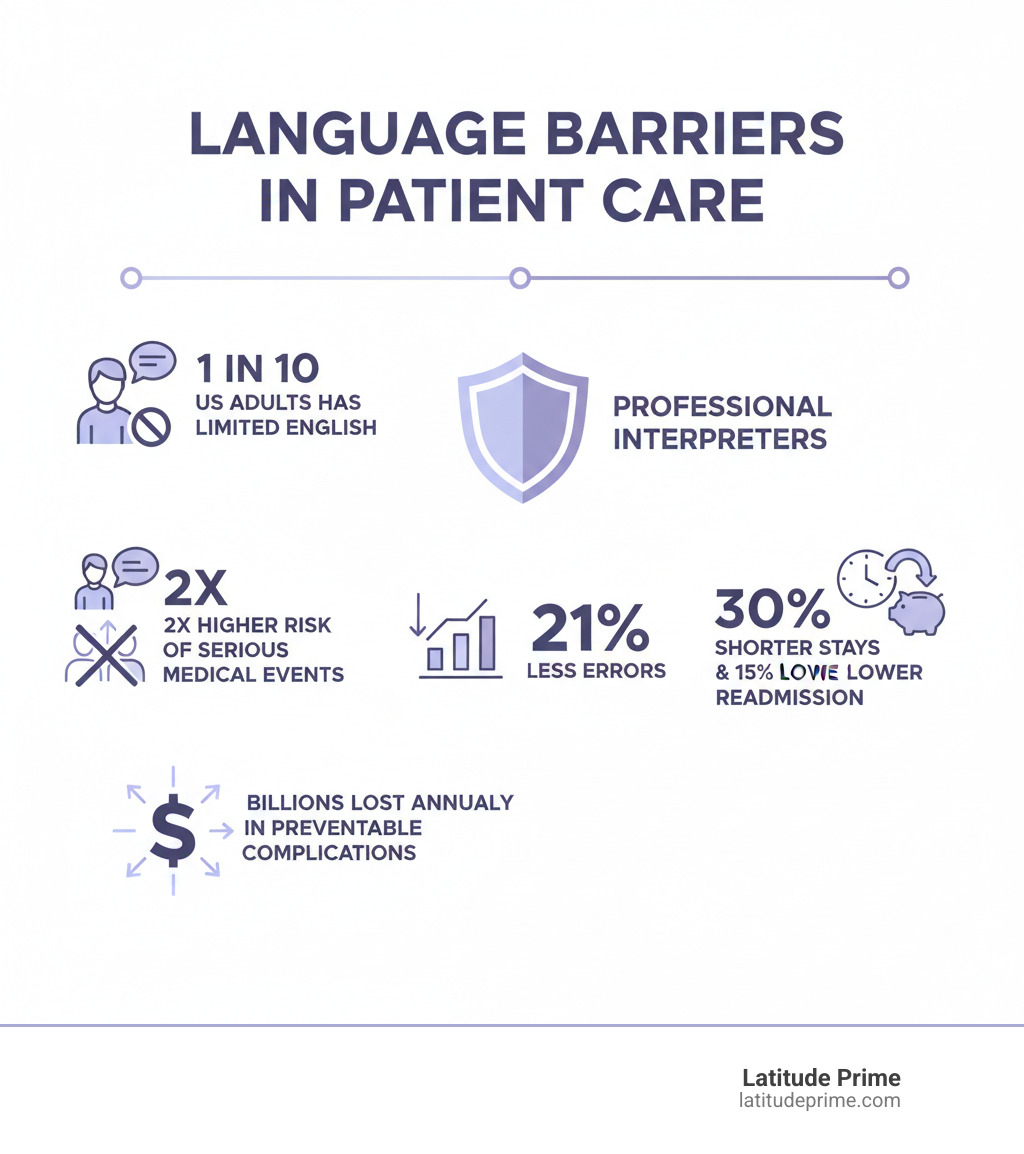
More than 25 million Americans have limited English proficiency. When these patients encounter the healthcare system without professional language support, the consequences can be severe, leading to:
- Increased risk of physical harm
- Longer hospital stays
- Higher readmission rates
- Misdiagnosis and inappropriate treatment
Despite this critical need, the distinct roles and profound impact of professional medical interpreters and translators are often misunderstood. The stakes are too high to rely on untrained family members or bilingual staff. Professional language access isn’t just about convenience—it’s about patient safety, legal compliance, and the fundamental right to understand your own healthcare.
The Essential Role of Medical Interpreters in Patient-Centered Care
When a patient and doctor don’t speak the same language, a professional medical interpreter is needed to bridge the gap. Their role goes far beyond simply swapping words; they are the foundation of patient safety and equitable care.
When translators in healthcare (in this context, interpreters) do their job well, patients understand their diagnoses, follow treatment plans, and experience better health outcomes. Research shows that using professional interpreters consistently improves patient compliance and reduces health disparities. They are crucial partners who build trust, reduce patient anxiety, and ensure every individual’s voice is heard—the cornerstone of true patient-centered care.
Medical interpreters also serve as cultural liaisons, helping bridge not just language differences but cultural ones too. They are vital advocates for patient-centered care, ensuring that healthcare respects patient dignity and addresses cultural nuances that might otherwise create misunderstandings.
More info about our Interpretation services
Enhancing Communication and Accuracy
In healthcare, a single misunderstood word can change a diagnosis or treatment plan. Professional medical interpreters are trained to handle complex medical terminology with precision, conveying complex information without losing critical details.
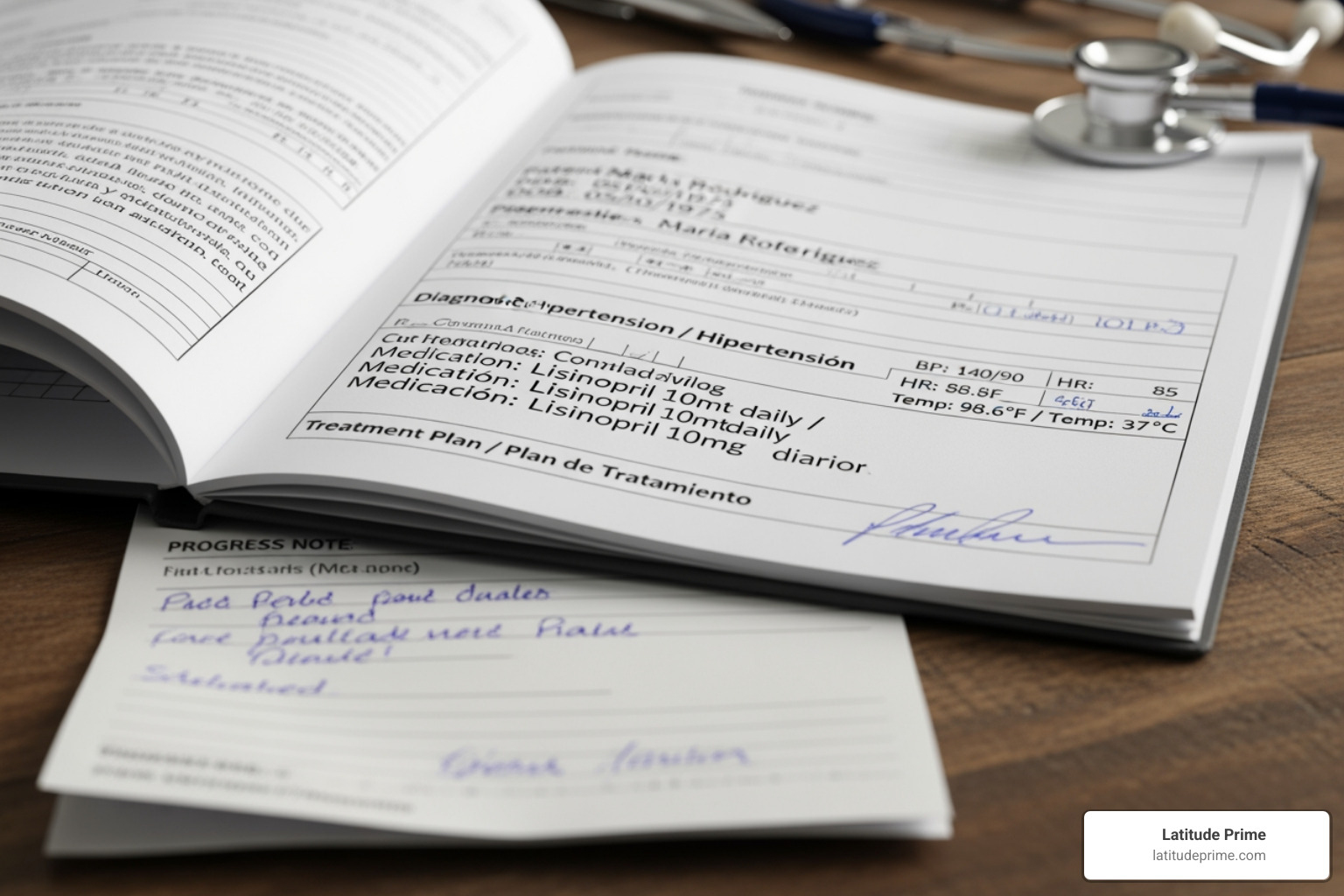
Informed consent, for example, is impossible if a patient doesn’t fully understand the risks and benefits of a procedure. Interpreters ensure these technical terms are accurately explained. The cost of preventing misunderstandings is far less than the cost of catastrophic errors. In one documented case, a staff member misinterpreted the Spanish word “intoxicado” (sick from something ingested) as “intoxicated” (drunk), leading to a missed diagnosis and a $71 million malpractice award.
Research confirms this: the rate of errors with potential clinical consequences was 12% for professional interpreters, compared to 22% for ad hoc interpreters and 20% for encounters with no interpreter. Professionals drastically reduce the risk of critical errors.
For more details on the science behind interpretation accuracy, see this scientific research on interpretation accuracy.
Serving as a Cultural Bridge
Language is only part of the equation. A professional medical interpreter brings cultural sensitivity that goes beyond vocabulary. They are experts at reading non-verbal cues and understanding how different cultures approach healthcare beliefs, such as pain management or family involvement.
Interpreters can identify cultural factors that might impact a medical encounter, allowing providers to tailor their approach and build a stronger patient-provider relationship. For instance, some cultures prefer indirect communication, while others value directness. A skilled interpreter helps steer these differences, respecting patient dignity while ensuring clear communication.
When interpreters serve as cultural bridges, they help create healthcare environments where every patient feels understood, respected, and empowered.
Professional vs. Ad Hoc Interpreters: A High-Stakes Comparison
In healthcare, the choice between a professional and an ad hoc interpreter (a family member, friend, or untrained bilingual staff member) can be a life-or-death decision. While both may speak two languages, the distinction has profound implications for patient safety.
You wouldn’t ask someone who’s good with a hammer to perform surgery. The same principle applies to translators in healthcare. Professional interpreters are the gold standard, while ad hoc solutions introduce serious risks.
| Feature | Professional Interpreters | Ad Hoc (Family/Staff) Interpreters |
|---|---|---|
| Accuracy | 12% error rate with potential clinical consequences | 20-22% error rate with potential clinical consequences |
| Confidentiality | HIPAA-trained, bound by strict ethical codes | No formal privacy training, may inadvertently share information |
| Medical Terminology Knowledge | Extensive training in complex medical and pharmaceutical terms | Limited or no specialized medical vocabulary |
| Clinical Consequences | Significantly reduced risk of misdiagnosis and treatment errors | Higher risk of serious medical errors |
| Impartiality | Professionally neutral, no personal agenda | May have emotional investment or biases |
| Certification | Nationally certified through CCHI or NBCMI | No formal credentials or standardized training |
The Dangers of Using Untrained Translators in Healthcare
Using family or untrained staff as interpreters, though well-intentioned, creates significant dangers. As the “intoxicado” case illustrates, a single word misinterpreted by an untrained person can have devastating consequences.
Untrained interpreters have high error rates because they lack specialized medical vocabulary. They often summarize, add opinions, or omit details they deem unimportant, fundamentally altering the message. This can lead to omissions and additions with serious clinical consequences.
Furthermore, using family or friends creates a breach of confidentiality. They are not trained in HIPAA and may violate patient privacy. Role confusion is another major issue, especially when children are asked to interpret for parents. This places an inappropriate emotional burden on the child, disrupts the therapeutic relationship, and robs patients of their dignity.
Finally, ad hoc interpreters lack professional impartiality. A spouse might downplay symptoms, or an adult child might exaggerate them, distorting communication and compromising care. For critical situations, there is no substitute for trained experts.
More info about On-Site Interpretation Services.
The Gold Standard: Skills and Qualifications of Professional Translators in Healthcare
What makes a professional medical interpreter different from someone who is simply bilingual? It’s a combination of skills, knowledge, and ethical commitment.

Professional translators in healthcare possess true language fluency in both source and target languages, including dialects and register. Their medical terminology expertise is extensive, covering anatomy, diseases, and pharmacology, ensuring they can accurately interpret complex concepts.
Certified interpreters adhere to strict ethical codes governing accuracy, confidentiality, and impartiality. They are trained in HIPAA compliance to protect patient privacy. Their cultural competence allows them to act as liaisons, helping providers understand how cultural views on health and authority can impact care.
This expertise is validated by specialized training and certification through bodies like the Certification Commission for Healthcare Interpreters (CCHI) and the National Board of Certification for Medical Interpreters (NBCMI). These credentials verify that an interpreter has met stringent national standards for linguistic proficiency, medical knowledge, and ethical conduct.
For guidance on implementing language access programs, the Agency for Healthcare Research and Quality offers valuable resources: A guide for hospitals on LEP patients.
Professional medical interpreters and translators are highly specialized healthcare professionals whose expertise directly impacts patient safety, clinical outcomes, and health equity.
Legal, Ethical, and Financial Implications of Language Access
Providing language access in healthcare is not just good practice—it’s a legal, ethical, and financial necessity. Understanding this protects both patients and providers.
Title VI of the Civil Rights Act of 1964 is the legal foundation that prohibits discrimination based on national origin by any organization receiving federal funds. Since most healthcare facilities accept Medicare or Medicaid, they are legally obligated to provide “meaningful access” for patients with limited English proficiency. Failure to comply can result in federal investigations, litigation, and substantial fines.
Ethically, every patient deserves to understand their diagnosis and participate in their care. Language barriers violate this fundamental principle of patient-centered medicine.
The financial case for professional translators in healthcare is just as strong. While there is an upfront cost, the return on investment is significant. Research shows that hospitals using professional interpreters see 30% shorter lengths of stay and 15% lower readmission rates. These numbers represent real savings from fewer unnecessary tests, reduced repeat visits, and prevention of costly complications.
Investing in a professional interpreter for a consultation is minor compared to a multi-million dollar malpractice lawsuit stemming from miscommunication. Clear communication also improves patient compliance with treatment plans, reducing costly emergency room visits and hospital readmissions.
The Evolving Landscape: Telehealth and Post-Pandemic Needs
The COVID-19 pandemic accelerated the shift to telehealth, revolutionizing language access in the process.

During the pandemic, infection control protocols made remote interpretation essential. Professional medical interpreters quickly adapted to video and phone platforms, delivering high-quality services in a high-stress environment.
Telehealth is now a permanent fixture of healthcare, meaning language access must be seamlessly integrated into digital platforms. Video remote interpreting (VRI) is particularly effective, as it allows the interpreter to see both patient and provider, capturing crucial non-verbal cues that might otherwise be missed.
The post-pandemic landscape requires flexibility. The best language access programs offer multiple modalities—on-site for complex procedures, video for telehealth visits, and phone for quick consultations. This comprehensive approach ensures that no matter how healthcare evolves, every patient can communicate clearly.
At Latitude Prime, we’ve developed VRI solutions designed for healthcare’s unique needs. Learn more about our specialized approach: More info about Video Remote Interpreting in Healthcare.
Best Practices for Healthcare Systems and Providers
Effective language access requires more than good intentions; it demands concrete strategies and clear protocols. It’s about creating a culture where using professional language services is as routine as checking vital signs.
Implementing language access programs starts with leadership recognizing that professional interpretation directly impacts patient safety and financial outcomes. This commitment must translate into resources: dedicated staff, technology for quick access, and adequate funding.
Training is also critical. Every staff member should know when and how to access professional interpreters, understanding that it prevents miscommunication rather than slowing down care. Regular training can reinforce these protocols.
Working effectively with interpreters can transform a clinical encounter. A few simple practices dramatically improve communication:
- Brief the interpreter before the appointment with the visit’s purpose and any sensitive topics.
- Speak directly to the patient, not the interpreter, to maintain the therapeutic relationship.
- Use clear, simple language and avoid jargon. Speak in short phrases to allow the interpreter time to render your words accurately.
- Use the “teach back” method by asking the patient to explain the instructions in their own words to confirm understanding.
Building trust is key. If an interpreter asks for clarification, they are using their expertise to improve communication and prevent misunderstandings.
How to Effectively Implement and Support Professional Interpreters
Healthcare systems that excel at language access share common traits. They view interpretation as a core component of quality care, not just a compliance checkbox.
This starts with system-wide policies that mandate when and how to use professional interpreters, making it easier to request one than to skip it. Easy access to services, such as integration into electronic health records or tablets with VRI apps in exam rooms, removes friction for busy providers.
Budget allocation should reflect that language services are an essential investment with a substantial ROI from shorter stays, fewer readmissions, and reduced malpractice risk. Feedback mechanisms for patients and providers help drive continuous improvement.
Partnering with professional agencies like Latitude Prime provides access to qualified interpreters, quality assurance, and the latest technology without the overhead of an in-house department. A reputable partner can provide coverage in hundreds of languages for both spoken and written needs.
Written materials like discharge instructions and consent forms also require professional translation to ensure patient safety. Our document translation services ensure every piece of written communication is clear and accurate: More info about Medical Document Translation.
Frequently Asked Questions about Translators in Healthcare
Here are straightforward answers to the most common questions we hear from healthcare providers.
What happens if a patient refuses a professional interpreter?
Some patients decline a professional interpreter due to privacy concerns, a preference for a trusted family member, or a mistaken belief they will be charged. In this situation, a provider’s responsibility is to balance patient autonomy with patient safety.
First, clearly explain the risks of using an untrained interpreter, such as misunderstandings of medical terms and potential breaches of confidentiality. Then, offer alternatives like telephone or video remote interpreting, which can feel less intrusive.
If the patient still refuses, it is essential to document the conversation thoroughly. The medical record should note that a professional interpreter was offered, the risks were explained, and the patient declined. Whenever possible, confirm this decision with the patient directly, without the ad hoc interpreter present.
What is the difference between a medical interpreter and a medical translator?
Though often used interchangeably, these are distinct professions with different skill sets.
A medical interpreter works with the spoken word in real-time during live encounters like exams or consultations. This requires exceptional listening skills, quick recall, and the ability to think on one’s feet to convert speech immediately and accurately.
A medical translator works with the written word. They convert documents such as consent forms, medical records, and patient education materials. This process allows for research, revision, and meticulous attention to detail, requiring strong writing skills and often the use of specialized software.
In short, interpreters handle live conversations, while translators handle written text. Both are vital for comprehensive language access.
At Latitude Prime, we provide both certified medical interpreters and expert medical translators. Explore our full range of services: More info about our Medical & Healthcare Translation services.
How does using an interpreter affect the cost of care?
While professional interpretation services have an upfront cost, they are a smart investment that leads to substantial long-term savings.
The cost is more than offset by preventing expensive problems. Communication breakdowns lead to misdiagnoses, medication errors, and hospital readmissions—all of which cost far more than an interpreter. Research shows that using professional interpreters can reduce hospital stays and lower readmission rates by nearly 40%.
These improvements directly impact a facility’s bottom line, quality metrics, and Medicare reimbursements. Furthermore, clear communication reduces the risk of costly malpractice litigation. The real question isn’t whether you can afford professional interpretation, but whether you can afford the consequences of not having it.
Conclusion
When we think of healthcare heroes, we should also include the language professionals working to save lives and ensure quality care. Translators in healthcare, along with medical interpreters, are the essential bridge-builders who ensure language is never a barrier to healing.
As we’ve seen, these professionals do more than convert words. They ensure patient safety, improve clinical outcomes, serve as cultural liaisons, and uphold the legal and ethical standards of patient-centered care. The evidence is clear: professional language services are a fundamental component of equitable and effective healthcare. When they are part of the care team, patients experience shorter hospital stays, lower readmission rates, and the dignity of understanding their own health journey.
As healthcare continues to evolve with telehealth, the need for accessible language services will only grow. At Latitude Prime, our mission is built on this commitment. With our ISO-certified quality management system and a network of certified linguists in over 300 languages, we support healthcare providers in delivering truly patient-centered care across Minneapolis, Washington D.C., San Diego, Miami, Fort Lauderdale, and worldwide.
Every patient deserves to be understood. The future of healthcare is one where language no longer determines health outcomes. That future begins with a commitment to using professional language services effectively.
Ready to ensure every patient receives the communication support they deserve? Get a Free Quote for your healthcare language needs and join us in building a more equitable healthcare system for all.
