
Marketing Translation Company: 5 Best Picks
Why Your Global Marketing Depends on More Than Just Words
A marketing translation company specializes in adapting marketing content—from websites and social media to advertising campaigns and product brochures—for audiences in different languages and cultures. Unlike standard translation, marketing translation requires creative adaptation (transcreation), cultural localization, and multilingual SEO expertise to ensure your brand message resonates emotionally and drives action in every target market.
Top 5 Marketing Translation Company Types:
- Boutique Creative Agency – Best for brand-focused transcreation and high-touch campaigns
- Tech-Driven Automation Expert – Ideal for high-volume content with fast turnarounds
- Full-Service Global LSP – One-stop shop with 200+ languages and comprehensive services
- Niche Industry Specialist – Deep expertise in regulated sectors (Life Sciences, Legal, Finance)
- Quality-Certified Partner – ISO-certified processes with 99%+ accuracy rates
The stakes are high. Consumers prefer to interact with content in their own language—many will only do so. Poor translations don’t just fail to connect; they actively damage your brand reputation and lead to lost business opportunities with international customers. Marketing translation requires more than word-for-word conversion. As one source notes, “with an advertising translation project, evoking the right emotions and conveying the intended meaning of your message is vital.”
When entering new markets, you’re dealing with audiences who speak different languages and live within distinct cultural frameworks. A simple word-to-word translation can miss cultural nuances, slang meanings, color connotations, and local traditions. Stories abound of major corporations scrapping entire marketing campaigns due to the mistranslation or cultural misuse of a single word.
This is where specialized marketing translation companies come in. They combine linguistic fluency with cultural expertise, creative adaptation, and technical capabilities like desktop publishing and SEO optimization. The best providers don’t just translate your words—they recreate the emotional impact and persuasive power of your original message for each new audience.
I’m William Kennedy, and I’ve managed over 8,500 language projects in the past four years, including numerous marketing translation company engagements that required careful coordination of linguists, designers, and technical specialists to deliver campaigns across multiple markets. In this guide, I’ll break down the five main types of marketing translation partners and help you identify which one aligns best with your brand’s global ambitions.
The Core Services of a Top-Tier Marketing Translation Provider
A truly effective marketing translation company offers a suite of specialized services that go far beyond simple word-for-word translation. We understand that global marketing success hinges on connecting with audiences on a deeply personal, cultural, and emotional level. This requires a nuanced approach, blending linguistic precision with creative adaptation and technical expertise.
At the heart of marketing translation is transcreation. This isn’t just translation; it’s a creative process where the original source text’s message is reimagined to be just as impactful in the target language and culture. It involves “translation followed by creative writing to adopt the translation to suit the local audience’s cultural and linguistic taste, evoking emotions and attracting them to the brand.” Our goal is to ensure your brand’s content conveys its original meaning and feeling, allowing consumers to fully immerse themselves in your message as if it were originally created for them. This service is crucial for advertising, slogans, and any content where emotional resonance is paramount. For a deeper dive into how we approach this, explore our dedicated Marketing Translation & Localization Services.
Another critical service is multilingual SEO. Being found online is as important as being understood. Translating digital content with SEO in mind requires linguists who possess knowledge of SEO best practices. This means crafting marketing content that not only promotes a consistent brand voice internationally but also ensures that marketing keywords and phrases are ranked high by major search engines in the target languages. We perform thorough keyword research in each target language to ensure online findability and incorporate relevant local keywords into translations for improved global search rankings.
Website localization is essential for any brand with a digital presence. This involves adapting website content, design, and functionality to appeal to specific local markets, going beyond just language. Our approach to website localization includes translating content, adjusting cultural elements, and optimizing for local search engines. We can even implement solutions like translation proxies that auto-detect website changes and send them for translation instantly, ensuring your global sites are always up-to-date. For a comprehensive understanding, consult our Website Localization: The Complete Guide.
Multimedia localization addresses the growing demand for engaging content across various formats. This includes services like video subtitles & voice-over, where we provide professional voiceover and subtitle services for localized videos to ensure they look and sound professional. We also handle translation for podcasts, apps, and other interactive media, ensuring your message transcends linguistic barriers no matter the medium.
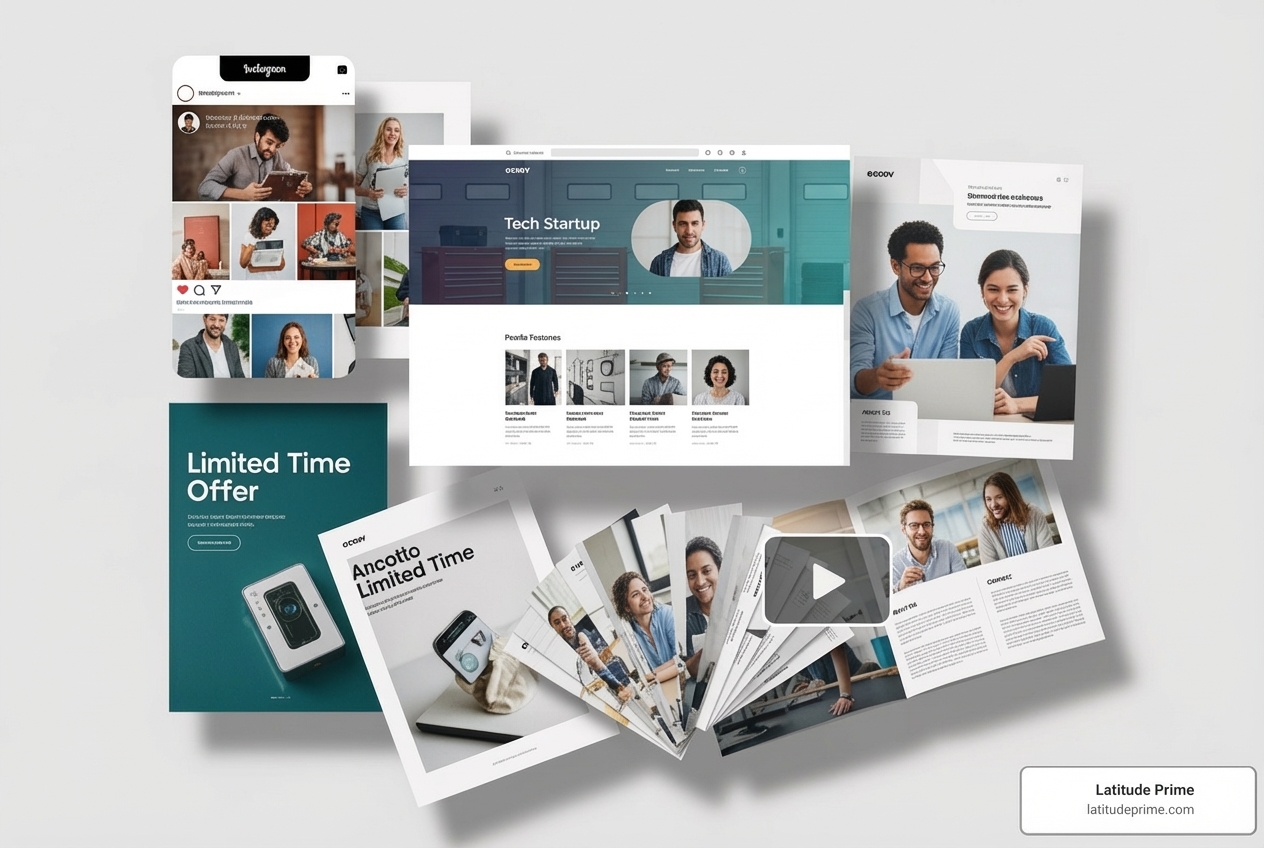
Finally, Multilingual Desktop Publishing (DTP) ensures that your translated marketing materials look as polished and professional as the originals. Marketing content often comes in many different file formats (video, text, images, PowerPoint, PDF, etc.). This means it requires additional software, tools, and expertise, such as graphic art design, font styles, text kerning and leading, and international typesetting conventions, to reintegrate translations back in for final delivery. Our experienced desktop publishers ensure that your brochures, ads, and other visual content maintain their aesthetic appeal and brand integrity in every language.
The types of marketing content we typically translate are vast and varied, including:
- Brochures, flyers, and catalogs
- Social media campaigns and posts
- Advertising copy (print, digital, out-of-home)
- Website content and landing pages
- Email marketing campaigns and newsletters
- Press releases and media kits
- Case studies and whitepapers
- Presentations
- Multilingual surveys
- Marketing research and reports
- Video scripts, subtitles, and voice-overs
- Apps and e-learning materials
- Blogs and articles
- International SEO content
Comparing the 5 Main Types of Marketing Translation Partners
Choosing the right marketing translation company is not a one-size-fits-all decision. What works for one business might not be the best fit for another, depending on their specific content needs, target markets, and budget. To help you steer this landscape, we’ve identified five main types of marketing translation partners, each with unique strengths. Finding the right fit means understanding your brand’s global ambitions and matching them with a partner that can truly deliver.

1. The Boutique Creative Agency
This type of marketing translation company excels in crafting highly creative and emotionally resonant messages. Their primary focus is often on transcreation, where the goal is to recreate the feeling and intent of your original marketing message rather than just its literal meaning. They are brand voice specialists, offering a high-touch service that ensures every nuance of your brand’s personality is captured in the target language. Ideal for critical elements like slogans, taglines, and advertising campaigns, these agencies leverage industry-specific creativity to make your message impactful. They often employ a dedicated Project Manager who deeply studies your brand’s voice and goals, and they ensure that translated texts are edited by a second native editor to preserve tone and imagery. If your campaign relies heavily on emotional connection and cultural subtleties, a boutique creative agency might be your perfect match.
2. The Tech-Driven Automation Expert
For businesses dealing with high volumes of content and demanding fast turnarounds, a tech-driven marketing translation company can be a game-changer. These partners leverage advanced Translation Management Systems (TMS) and often employ AI-human hybrid workflows to maximize speed and efficiency. They specialize in seamless CMS & API integrations, allowing for automated content submission and retrieval, which can drastically cut translation and project management costs by up to 50%. This type of provider integrates translation capabilities directly into your existing marketing tools, such as Contentful, HubSpot, or Figma, streamlining workflows and ensuring continuous deployment of localized content. A key feature might be a translation proxy or Global Delivery Network (GDN) that automatically detects website changes and instantly sends them for translation, keeping your global digital presence evergreen.
3. The Full-Service Global Language Service Provider (LSP)
A full-service global LSP is a comprehensive, one-stop-shop for all your language needs. These companies offer extensive language support, often covering 200+ languages and boasting networks of thousands of professional linguists. With their global scale, they provide a vast array of services, from general translation and localization to interpreting and specialized multimedia solutions. They are equipped to handle diverse industry needs and large-scale projects, making them suitable for businesses seeking a single partner to manage all their global communication requirements. Our own Services at Latitude Prime encompass professional translation, interpretation, and localization in over 300 languages, making us a prime example of a full-service provider capable of supporting your global ambitions across Minneapolis, Washington DC, San Diego, Miami, Fort Lauderdale, and worldwide.
4. The Niche Industry Specialist
Some markets, particularly regulated ones, require a marketing translation company with deep vertical knowledge. Niche industry specialists possess expertise in specific sectors like Life Sciences, Legal, Finance, or Technology. They understand the complex terminology, regulatory compliance requirements, and unique communication styles prevalent in these fields. Their linguists are often subject-matter experts, ensuring technical accuracy and adherence to industry standards. For example, in life sciences, they can accelerate development timelines and streamline product launches by up to 40%. If your marketing content involves highly technical information or operates within a strictly regulated environment, a niche specialist will provide the precision and compliance you need.
5. The Quality-Certified Partner
Quality is non-negotiable in marketing translation. A quality-certified marketing translation company distinguishes itself through rigorous quality management systems and adherence to international standards. These partners typically hold ISO certifications, such as ISO 17100:2015 for translation services, ISO 9001:2015 for quality management, and sometimes even ISO/IEC 27001:2022 for information security. They implement process-driven consistency, offering services with reported 99%+ accuracy rates and high on-time delivery rates. This commitment to quality mitigates risks associated with mistranslations and ensures your brand’s message is consistently accurate and culturally appropriate. Our own ISO-certified quality management system at Latitude Prime, combined with our extensive network of expert linguists, exemplifies our dedication to delivering top-tier, reliable language solutions. For more information on what ISO 17100 entails, you can refer to the Information on ISO 17100 standard.
How to Choose the Right Marketing Translation Company for Your Brand
Selecting the ideal marketing translation company is a strategic decision that can significantly impact your global marketing success. It’s about finding a partner whose capabilities align perfectly with your unique business needs and objectives.
First, we recommend you honestly assess your specific needs. What types of content do you need translated? Is it high-volume, transactional content, or highly creative, brand-building campaigns? What is your content volume and frequency? Which target markets and languages are you prioritizing? Do you need support in Minneapolis, Washington DC, San Diego, Miami, Fort Lauderdale, or broader international markets? Understanding these factors will help narrow down the type of partner that best suits you. The difference between general translation and localization is crucial here; for marketing, you almost always need the latter. Our article, Translation Service vs. Localization Service: How Do They Differ?, can provide further clarity.
Evaluating a Partner: What to Look for in a marketing translation company
Once you have a clear picture of your needs, you can begin evaluating potential partners. Here’s what we look for:
- Quality Assurance (QA) Process: A robust QA process is paramount. Inquire about their accuracy rates (some boast 99.9% accuracy backed by expert review) and how they achieve them. Do they use a two-step process involving translation followed by a separate edit by a second native editor?
- In-Country Review Workflows: Effective marketing translation often benefits from review by native speakers living in the target country. Ask how they manage in-country review, ensuring that regional reviewers can easily proofread translations and instantly send feedback in one centralized space, removing roadblocks in the review process.
- Role of Native Speakers and Cultural Expertise: This is non-negotiable for marketing. Every translator handling your marketing content should be a native speaker of the target language with extensive marketing experience and an intimate knowledge of the target region’s cultures, slang, traditions, color connotations, and symbol meanings. They must be familiar with local norms, terminology, and regulatory nuances to avoid costly cultural missteps.
- Case Studies & Samples: Ask for examples of their work, especially for content similar to yours. While specific client names might be confidential, they should be able to provide anonymized samples or discuss success stories where they helped brands avoid mistranslations or cultural misuse of words that led to scrapped campaigns.
The Role of Technology in a Modern marketing translation company
Technology is no longer just a luxury; it’s a necessity for efficiency, quality, and consistency. A modern marketing translation company should leverage:
- Terminology Management: Tools for creating and maintaining client-specific glossaries. This ensures that key brand terms, product names, and industry-specific vocabulary are translated consistently across all content and languages.
- Glossaries & Style Guides: Beyond terminology, comprehensive style guides ensure your brand’s tone of voice, messaging style, and preferred linguistic conventions are maintained.
- Translation Memory (TM): This technology stores previously translated segments, allowing for reuse of approved translations. This not only speeds up the translation process but also reduces costs and improves consistency, especially for repetitive content.
- Platform Integrations: Seamless integration with your existing tech stack—CMS, CRM, marketing automation platforms (like HubSpot or Marketo), and content management systems—is vital. This eliminates manual tasks, automates content flows, and can cut translation and project management costs associated with multilingual content creation by up to 50%. Look for partners who offer a secure, user-friendly Translation Portal to easily manage projects, track progress, and collaborate.
Frequently Asked Questions about Marketing Translation
Navigating global marketing can bring up many questions. Here, we address some of the most common ones we encounter when discussing how a marketing translation company can help your brand.
What is the difference between marketing translation and transcreation?
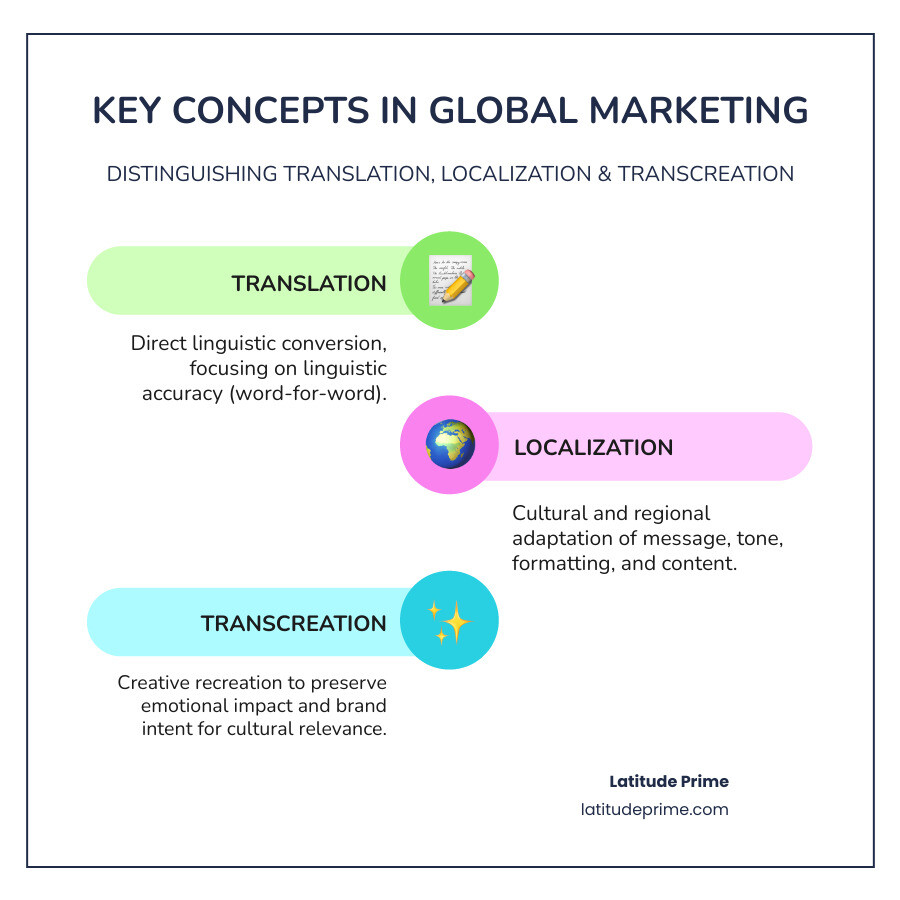
While often used interchangeably, there’s a crucial distinction. Marketing translation focuses on accurately converting content from one language to another, ensuring the meaning is preserved. It involves adapting materials like advertisements, press releases, brochures, and websites to engage audiences in different languages or countries, aiming to resonate on a local level.
Transcreation, on the other hand, goes beyond mere meaning. It’s about creatively adapting the message to evoke the same emotional response and convey the original intent in the target culture. Transcreation is a two-step process: translation followed by creative writing. It’s about recreating the original source text so its message is just as impactful in the final target language, considering cultural nuances, slang meanings, and emotional impact. Think of it as copywriting in a different language; it’s less about “what it says” and more about “how it feels” and “what it makes people do.” For highly persuasive or emotionally charged content, transcreation is indispensable.
How do you ensure a consistent brand voice across different languages?
Maintaining a consistent brand voice globally is a top priority for any marketing translation company. We achieve this through several key strategies:
- Brand Style Guides: We work with you to develop comprehensive brand style guides that outline your preferred tone, style, and messaging for each market.
- Terminology Glossaries: We create and maintain client-specific glossaries to ensure consistent use of key terms, product names, and industry-specific vocabulary across all translated content.
- Translation Memory (TM): Our Translation Memory systems store and reuse previously approved translations, ensuring that once a phrase or sentence is translated and approved, it’s used consistently in future projects.
- Dedicated Linguistic Teams: We assign dedicated teams of native-speaking linguists who become intimately familiar with your brand, products, and services. This consistency in personnel fosters a deeper understanding of your brand voice.
- Client Review Cycles: We integrate client review cycles into our workflow, allowing your in-market teams to provide feedback and ensure the translated content aligns with local expectations and your brand’s global voice. As one client wisely noted, our solutions allow them to “maintain a consistent brand voice through layers of complexity like launching in different markets and different languages.”
How much do marketing translation services cost?
The cost of marketing translation services is not a fixed rate but depends on several variables. When you request a quote, we typically consider:
- Pricing Factors: These include the source and target languages (some language pairs are more common and thus less expensive than others), the volume of words, and the complexity of the content. Highly technical or creative content often requires specialized linguists, which can influence pricing.
- Project Complexity: Simple document translation will differ from a complex, multi-channel marketing campaign requiring transcreation, DTP, and multimedia localization.
- Required Services: Services like multilingual desktop publishing (DTP), international SEO optimization, video subtitling/voice-over, and urgent turnaround times will add to the overall cost.
- Technology Integration: While initial setup for CMS or API integrations might have a cost, these often lead to significant long-term savings by cutting translation and project management costs by up to 50%.
We believe in transparency. For a custom estimate that accounts for your specific needs, we encourage you to Get a Free Quote from us. We’re committed to providing cost-effective solutions that deliver a strong return on investment by reaching global leads more efficiently.
Conclusion: Finding Your Perfect Global Marketing Partner
Navigating the complex world of global marketing requires more than just good intentions; it demands strategic linguistic expertise. As we’ve explored, the ideal marketing translation company for your brand isn’t necessarily the largest or the cheapest, but the one that best aligns with your specific content, cultural, and technical requirements. There’s no single “best” provider across the board, but rather a perfect partner for your unique needs—whether that’s a boutique creative agency for nuanced ad campaigns, a tech-driven expert for high-volume content, a full-service LSP for comprehensive support, a niche specialist for regulated industries, or a quality-certified partner for maximum assurance.
At Latitude Prime, we pride ourselves on combining certified quality with expert localization. With our ISO-certified quality management system and extensive network of expert linguists across diverse technical industries, we are equipped to support your global marketing endeavors from our locations in Minneapolis, Washington DC, San Diego, Miami, and Fort Lauderdale, extending our reach worldwide. We understand that your brand’s success in new markets hinges on accurate, culturally relevant, and emotionally resonant communication.
Don’t let language barriers limit your brand’s global potential. Partner with a marketing translation company that understands the art and science of connecting with diverse audiences. We’re here to help you translate your ambition into global success.
Ready to take your brand global with expert marketing translation services? Contact Us today to discuss how we can become your trusted partner, or explore our Marketing Translation & Localization Services to learn more.
